
01
Phase 1: Clean Up the Foundation
- Choose water, sparkling water, tea, or coffee without sugar as your default drinks.
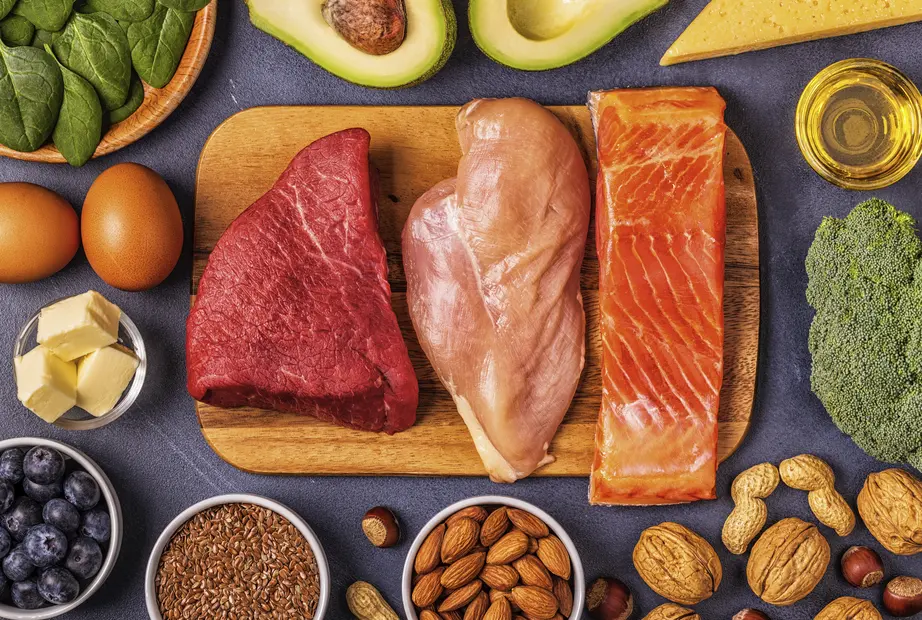
- Build meals around protein first: eggs, poultry, beef, pork, fish, seafood, turkey, or other quality protein sources as tolerated.
- Use healthy fats for cooking and flavor, such as olive oil, avocado oil, coconut oil, butter, tallow, lard, or animal fats as appropriate for your diet and health needs.
- Add low-starch vegetables such as leafy greens, broccoli, cauliflower, zucchini, asparagus, cucumber, cabbage, mushrooms, fennel, okra, and peppers.
- Keep condiments simple and check for added sugar, fillers, and seed oils where possible.
02
Phase 2: Remove the Biggest Friction Foods
- Notice foods that leave you bloated, tired, foggy, or craving more sugar.
- Reduce obvious sugar sources first: sweet drinks, desserts, candy, sweetened sauces, and ultra-processed snack foods.
- Read labels on packaged meats, sauces, dairy products, and convenience foods.
- Keep changes manageable by replacing one category at a time instead of eliminating everything at once.
03
Phase 3: Build Repeatable Meals
| Meal Component | Examples |
|---|---|
| Protein | Eggs, chicken, turkey, beef, pork, fish, salmon, sardines, tuna, shrimp |
| Fats | Olive oil, avocado oil, coconut oil, butter, duck fat, tallow, lard |
| Vegetables | Spinach, kale, salad greens, zucchini, broccoli, cauliflower, cabbage, asparagus, cucumber |
| Flavor | Sea salt, pepper, lemon, lime, vinegar, Dijon mustard, garlic, herbs, Indian spices |
| Simple extras | Avocados, olives, sauerkraut, unsweetened almond milk, full-fat Greek yogurt if tolerated |
04
Phase 4: Track What Matters
Do not only track weight. Pay attention to energy, cravings, digestion, bloating, mood, sleep, meal satisfaction, and how easy the plan feels to repeat. These signals help you personalize your approach.
Your First 7 Days
- Day 1: Clean up drinks.
- Day 2: Build one protein-forward breakfast.
- Day 3: Read labels on five pantry items.
- Day 4: Cook one simple dinner with protein, vegetables, and healthy fat.
- Day 5: Try one lower-sugar condiment or sauce swap.
- Day 6: Prep one easy protein for the next two days.
- Day 7: Review what felt better and choose what to repeat.